The DfE Technology in Schools survey: 2024 to 2025 was published this week. We give our views on the results:
Several London councils are believed to have been targeted in cyber attacks within the past few days, including Hammersmith, who were previously attacked in 2020.
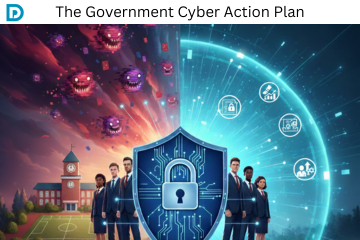
The government has announced an additional Digital Standard to help with planning, commissioning and reviewing their IT support services. The services can be internal, external or a hybrid. Effective IT support is essential for maintaining technology, planning improvements and mitigating risks like outages and cyber incidents, and sits alongside the other 11 standards.
As Cyber Security Awareness Month draws to a close, it's important to recognise that cybersecurity isn't a destination; it's a continuous journey. For organisations, particularly those in the education sector, this journey often involves working towards recognised standards and certifications. In the UK, Cyber Essentials and Cyber Essentials Plus are government-backed schemes designed to help organisations protect themselves against common cyber threats. For schools, the Department for Educat
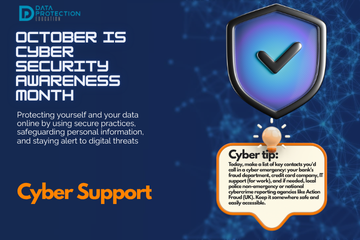
Understanding where to get help for cyber resilience and in the event of a cyber attack is crucial for both individuals and organisations. The good news is that there is help and guidance available!
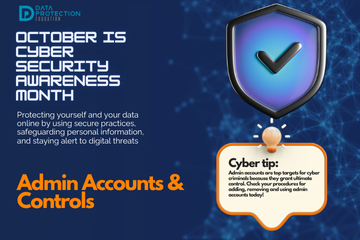
Administrator accounts (often called "privileged accounts") are the most powerful and, so, the most sought-after targets for cybercriminals. These accounts hold the "keys to the kingdom," possessing extensive permissions to configure systems, access sensitive data, manage users, and make critical changes across an entire network or application. A single compromised admin account can lead to a catastrophic data breach, widespread system paralysis, or complete organisational takeover by attacke
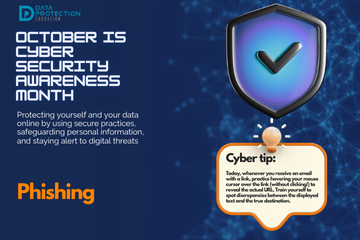
Phishing remains one of the most prevalent and effective cyberattack methods, tricking millions into compromising their data every year. These deceptive messages, often arriving via email, text message (smishing), or phone call (vishing), are designed to look legitimate. They aim to trick you into revealing sensitive information like login credentials, credit card numbers, or personal data, or to click on malicious links that install malware. They may also be the start of a more complex
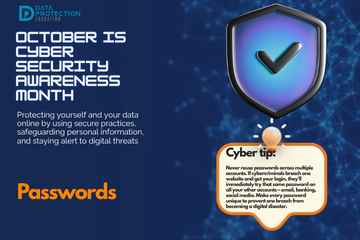
Your password is your first, and often most critical, line of defence. Yet, far too many people still rely on easily guessable combinations like "123456" or "password," leaving their digital lives wide open to attack. Cybercriminals use sophisticated tools to crack weak passwords in seconds, and is one of the easiest forms of attack - low risk.
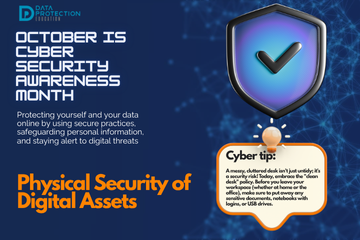
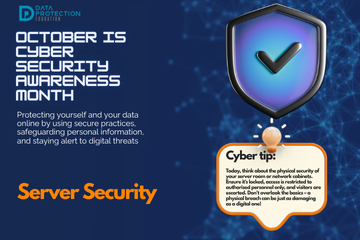
It's easy to overlook the importance of physical security when we rely so heavily on digital systems, but it's a critical component of overall cyber security. This means protecting your devices and data from unauthorised physical access. For individuals, it's locking your laptop when you step away, securing your home network equipment, and shredding sensitive documents. For organisations, it includes controlled access to offices and server rooms, securing hardware (laptops, USB drives), and m
For most organisations, servers are the undisputed backbone of their IT infrastructure. They house critical applications, store vast amounts of sensitive data (customer information, intellectual property, financial records), and power essential services. Consequently, servers are prime targets for cyber attackers, making robust server security an absolute necessity, not an option. A compromise of even one critical server can bring an entire operation to its knees.
Regular backups are the most fundamental and vital cyber security practices; they are your indispensable recovery safety net, ensuring that even if disaster strikes, valuable data can be restored.
In cybersecurity, filtering and monitoring are proactive measures that act as your digital watchdogs, guarding against threats by controlling what comes in and out of your networks and systems, and by continuously observing activity for suspicious signs. These practices are essential for early threat detection and prevention.
©2026 Data Protection Education Ltd.