

Understanding where to get help for cyber resilience and in the event of a cyber attack is crucial for both individuals and organisations. The good news is that there is help and guidance available!
General Cyber Resilience and Attack Support in the UK
For any individual, business, or charity in the UK looking for cyber resilience advice or needing help after an attack, the primary source of trusted, government-backed information is the National Cyber Security Centre (NCSC).
-
National Cyber Security Centre (NCSC): As part of GCHQ, the NCSC is the UK's technical authority on cybersecurity. Their website (ncsc.gov.uk) provides free, high-quality advice and guidance for:
-
Individuals and Families: Practical tips on staying safe online, managing passwords, spotting scams, and securing home devices.
-
Small, Medium, and Large Organisations: Comprehensive guides on topics like ransomware prevention, incident management, securing devices, and implementing frameworks like Cyber Essentials.
-
Public Sector Organisations: Tailored guidance for government bodies and critical national infrastructure.
-
Reporting Incidents: The NCSC provides guidance on how to report a cyber incident, including suspicious messages or websites.
-
-
Action Fraud: This is the UK's national reporting centre for fraud and cyber crime. If you or your organisation have been a victim of a cyber attack or fraud, you should report it to Action Fraud (actionfraud.police.uk).
-
For Individuals: You can report online or call their helpline (0300 123 2040, Mon-Fri 8am-8pm).
-
For Businesses, Charities, or Other Organisations: If you are experiencing a live cyber attack (in progress), call 0300 123 2040 immediately (available 24/7).
-
Data Breaches: If the incident involves a personal data breach, you may also need to report it to the Information Commissioner's Office (ICO) within 72 hours under GDPR. If you have an independent DPO, then contact them for advice. Data Protection Education's customers can email
This email address is being protected from spambots. You need JavaScript enabled to view it. to get legal advice about when to contact the ICO in this situation.
-
-
Cyber Resilience Centres (CRCs): Across England and Wales, there are regional, police-led, not-for-profit Cyber Resilience Centres. These CRCs are designed specifically to help small and medium-sized enterprises (SMEs) improve their cyber resilience. They offer:
-
Free core membership with welcome packs, monthly tips, and access to resources.
-
Affordable cyber security services, often delivered by vetted university students under expert supervision, including security awareness training and vulnerability assessments.
-
Support in achieving government-backed certifications like Cyber Essentials.
-
You can find your local CRC by visiting the National Cyber Resilience Centre Group website (nationalcrcgroup.co.uk/regional-centres).
-
-
The Cyber Helpline: This is a free, confidential helpline that provides support to individuals and small businesses who have been victims of cybercrime. They offer advice on recovery, securing accounts, and emotional support. (thecyberhelpline.com)
Specific Support for Schools and Colleges in the UK
Given their unique vulnerabilities and the sensitive data they hold, schools and colleges have additional layers of support and specific guidance.
-
Department for Education (DfE) Digital Standards: The DfE provides a set of Digital Standards for schools and colleges, offering guidance on technology decisions, digital infrastructure, and cybersecurity. Adhering to these standards helps institutions build resilience and is often a key part of their cyber strategy. Contact us for further information about our DfE Digital Standards Tracking tools, we can provide support, guidance and progress tracking which can make up part of your Data Protection Compliance Report.
-
SWGfL CyberSecure Check for Schools: This is a free, innovative self-assessment tool developed in collaboration with the DfE and cybersecurity experts. It provides a framework for schools to self-assess their current cyber and information security policies and practices, identifying areas for improvement and offering action plans 👉 CyberSecure Check for Schools
-
NCSC Guidance for Education: The NCSC offers specific guidance tailored for higher education and further education institutions, as well as general advice for schools, addressing their particular threats and operational contexts. This includes resources on managing risk, incident reporting, and securing critical educational infrastructure. NCSC Guidance for Schools.
-
Education Sector-Specific Providers: Several private companies and non-profit organisations specialise in providing cybersecurity and data protection services directly to the education sector. These often offer tailored solutions, training, and 24/7 support for schools and colleges. For example, some organisations like Data Protection Education provide resources and trackers to help schools assess their compliance with DfE Digital Standards and manage their cyber strategy.
-
ANME (Association of Network Managers in Education): While primarily for network managers, their blog and resources often cover cybersecurity challenges and solutions relevant to the education sector, providing valuable insights from a technical perspective.
Building cyber resilience and knowing where to turn in an attack is a collective effort. By leveraging these resources, individuals and organisations across the UK can significantly strengthen their defences and contribute to a safer digital environment.
Working on your Cyber Incident Response Plan, means you will have a list of contacts when you have a cyber attack.
💡Today's Cyber Tip: Create a "Cyber Emergency Contact" List!
Today, make a list of key contacts you'd call in a cyber emergency: your bank's fraud department, credit card company, IT support (for work), and if needed, local police non-emergency or national cybercrime reporting agencies like Action Fraud (UK). Keep it somewhere safe and easily accessible.
This article is about cyber attacks and data breaches that may go unreported due to the misconceptions about how organisations might respond to them. The NCSC recently published an article about why transparency around cyber attacks is a good thing for everyone.
Incidents or attacks where any security breaches may have taken place, or other damage was caused, should be reported to an external body. The SLT digital lead will be responsible for assigning someone to report any suspicious cyber incidents or attacks. This person will need to report this to: You may also need to report to: You must act in accordance with: Police investigations may find out if any compromised data has been published or sold and identify the perpetrator. Preserving evidence is as important as recovering from the crime.
Review DPE's previous articles:
Help after a Cyber Attack/Incident
What to do in the event of a Cyber Attack
Be Cyber Aware: Cyber attacks and transparency. A no blame culture
The NCSC and the ICO may work on a cyber attack together if an incident brings down a business, severely impacts national services and infrastructure or massively disrupts people's data-to-day lives, however they consider that a large number of attacks may go unreported. The article talks about a number of myths:
Myth 1 - If I cover up an attack everything will be OK - of course it won't. Every successful cyber attack that is hushed up, with no investigation or information sharing, makes other attacks more likely because no one learns from it. Keeping your cyber incident a secret doesn't help anyone except the criminals.
Myth 2 - Reporting to the authorities makes it more likely the incident will go public. Your confidentiality will be respected and both the NCSC and ICO don't proactively make information public, or share it with regulators without your consent. Remember your regulatory responsibilities.
Myth 3 - Paying the ransom quickly to get the decryption key and restore services doesn't always help.
Myth 4 - I've got offline backups, I won't need to pay a ransom.
Myth 5 - If there is no evidence of data theft, you don't need to report to the ICO. You should always start from the assumption that it has been taken.
Myth 6 - You'll only get a fine if your data is leaked. This isn't necessarily the case. A personal data breach is more than just a loss of data.
The full report is here: Why more transparency around cyber attacks is a good thing for everyone
We would always encourage staff to report any cyber attacks and data breaches. Visit our Information & Cyber Security Best Practice Library for support and guidance. Raise awareness with staff through training, posters and discussion. Having a 'no blame' culture will encourage staff to report issues.
Ensure you have a Cyber Response Plan: Cyber Response Processes.What to do in the event of a Cyber Attack
Forward suspicious emails to
DPE Knowledge Bank Guidance and Support:
For schools and colleges, six of the DfE Digital Standards are now mandatory. We have a DfE Digital Standards Tracker tool help you track your cyber resilience and your progress:
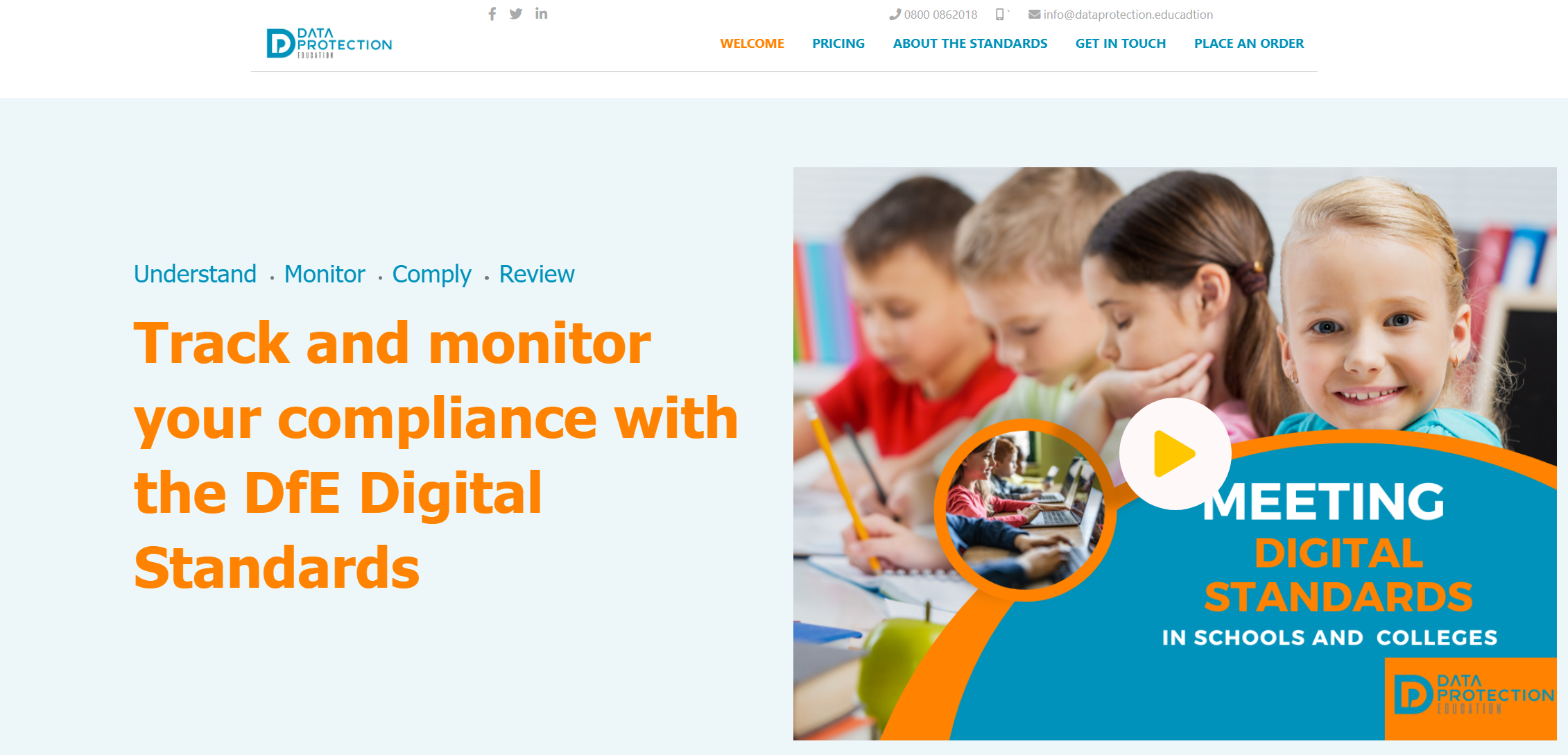
Review our Cyber Security Best Practice Area for micro learning, support, guidance and policies:
Why not have a look at our 'specialist' trainer Harry the Hacker :